Craving Hill Country views, dark starry nights, and a slower daily rhythm without losing access to Austin or Fredericksburg? Johnson City may be exactly what you are looking for. It is a small county seat with a big backyard feel, surrounded by ranchland, rivers, and wineries. In this guide, you will learn how life flows here day to day, where you will play and shop, what commutes feel like, and what to know before you buy. Let’s dive in.
Hill Country setting and feel
Johnson City sits in the heart of the Texas Hill Country as the county seat of Blanco County. Rolling limestone hills, live oaks, and oak–juniper savanna frame daily life, and the landscape quickly shifts from town blocks to ranch gates. The town serves as a practical hub for nearby ranches and rural neighborhoods while keeping a quieter pace than larger Hill Country destinations.
You are between two well-known anchors: Austin to the east and Fredericksburg to the west. Visitors come through for wineries and Lyndon B. Johnson National Historical Park, and many residents take advantage of the same attractions on weekdays when it is calmer. That mix of regional connections and small-town cadence is a defining part of living here.
Everyday essentials
Downtown rhythm
The Main Street area and near-downtown corridor are dotted with independent businesses. You will find coffee, diners and casual restaurants, galleries and antiques, a few service shops, and local offices. It is friendly and easy to navigate, especially on weekdays outside of wine-season weekends.
For bigger shopping trips, specialty medical visits, or a wide restaurant slate, most residents plan drives to nearby towns or Austin. Many locals batch errands for a once-a-week stock-up, then enjoy the quiet at home the rest of the time. It is a simple system once you settle into the cadence.
Services and utilities
Inside city limits, you will typically see municipal water and wastewater service. In outlying areas, many properties rely on rural water systems or private wells and septic systems. Electric service in much of the Hill Country is provided by rural cooperatives, such as Pedernales Electric Cooperative, so it is smart to confirm the provider and rates during your home search.
Health care in town focuses on primary care and routine needs. For hospitals or specialty care, residents travel to larger regional centers. Many households also verify broadband options early, especially if remote work is a priority.
Schools and education
Public schools are served by Johnson City Independent School District from elementary through high school. Families often review district offerings and logistics as part of their move planning. Private school choices are typically found in nearby larger towns.
Arts, wine, and food
Johnson City connects naturally to the Texas Hill Country wine scene. While Fredericksburg and Stonewall host the highest concentration of tasting rooms, Johnson City benefits from spillover visitation and has local options of its own. Weekends can feel lively with visitors, yet weekdays often return to an easygoing small-town pace.
You will find small galleries, craft makers, and antique shops in and around town. Local events tie into Hill Country arts networks and the area’s LBJ heritage. Dining leans casual with a few destination spots and tasting rooms, and many residents plan day trips to Fredericksburg or Austin when they want expanded choices.
Outdoor access and recreation
Parks and rivers
Lyndon B. Johnson National Historical Park is a signature local destination with historic sites, open spaces, and river views. Nearby Pedernales Falls State Park and Blanco River corridors offer hiking, seasonal swimming, fishing, and paddling. The geology and native woodlands make even short walks feel scenic, and you can choose from easy afternoons to more active outings.
Popular activities
Day hiking, birding, and winery visits are common weekend plans. Horseback riding and hunting on private ranches are part of the area’s rural culture. Cyclists enjoy gravel and low-traffic county roads where conditions allow, and families often pick a swim spot or a mellow trail when the weather invites it.
Getting around and commutes
Daily life here is built around driving. Public transit is minimal, and most residents own a car for errands and work. Remote and hybrid work schedules are increasingly common, which helps many households balance lifestyle and commute time.
If you work in Austin, plan for about an hour to central destinations depending on traffic. Trips to Fredericksburg and other Hill Country towns are usually much shorter. For air travel, Austin Bergstrom International Airport is the main hub used by residents.
Housing and neighborhood types
In-town historic homes
Close to the center, you will find older cottages and modest historic homes on small lots. These properties offer walkable access to local shops and a classic Hill Country look. Renovations range from light updates to full restorations, so condition varies.
Acreage and ranch properties
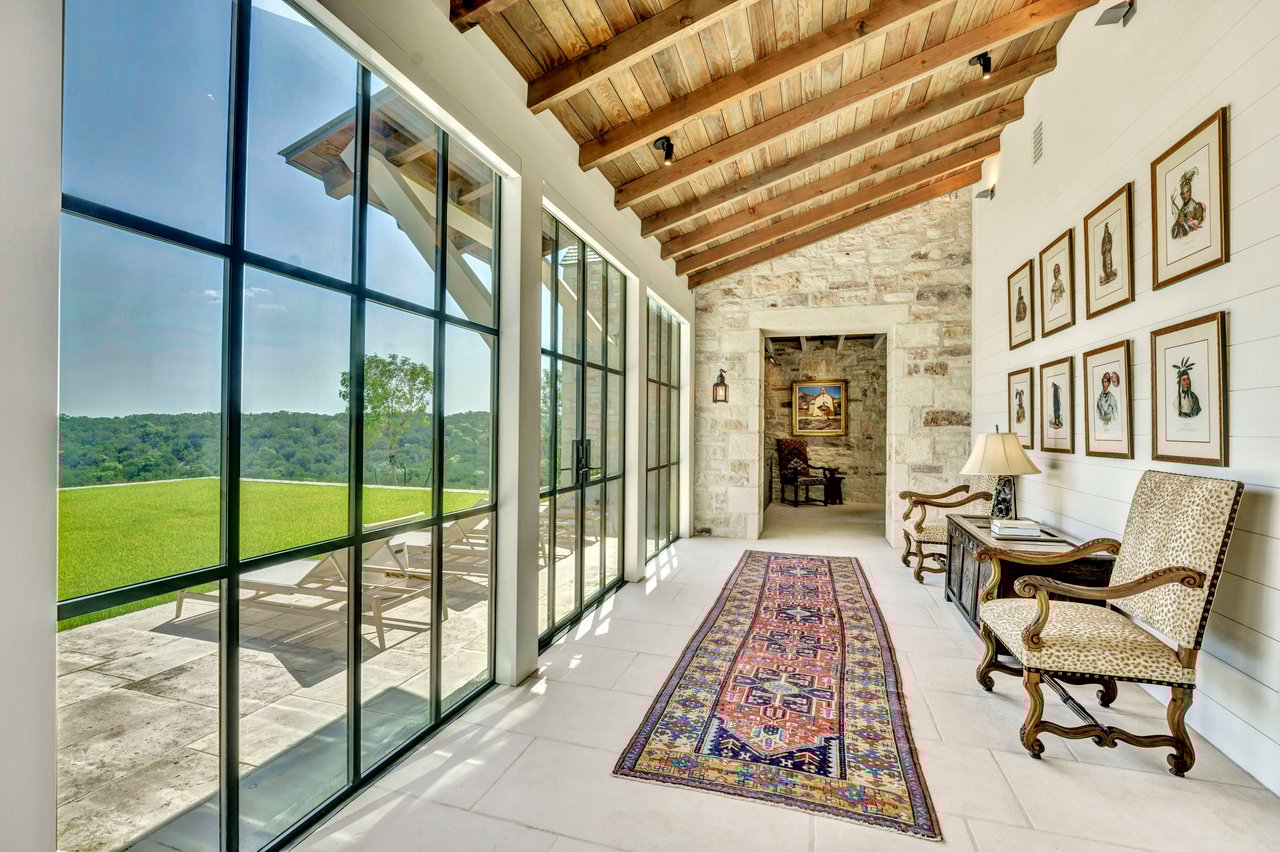
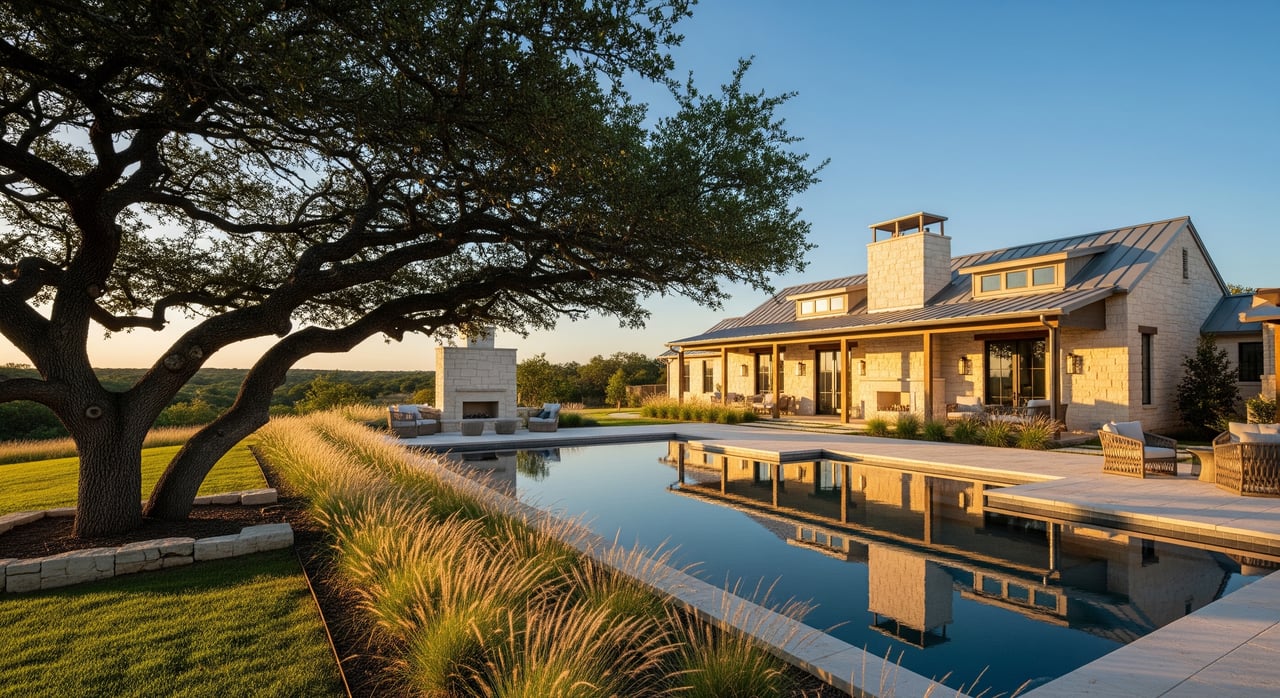
Step just outside town and the landscape opens to small acreage and larger ranches. Parcels can range from 5 to 20 acres to hundreds of acres, often with outbuildings and outdoor living features. Pricing is driven as much by acreage, water features, and views as by the home’s square footage.
New construction and modular
Newer homes and small subdivisions exist, generally with larger lots than you would see in a metro suburb. Manufactured and modular homes are present in rural parts of the county, often on private land. Utility setups can vary between these properties, so be sure to verify water, septic, and electric arrangements.
Second homes and rentals
Some properties serve as weekend places or short-term rentals, especially near winery corridors. If a rental component is part of your plan, always confirm city, county, and HOA rules along with state tax requirements before you buy. Regulations can differ between an in-town lot and a rural parcel.
Who moves to Johnson City
- Retirees and empty-nesters who want a quiet pace, scenic views, and easy access to cultural sites and wineries.
- Remote workers and lifestyle relocators who value space, low-density living, and quick access to Austin when needed.
- Second-home buyers from Austin and other metros looking for a Hill Country getaway.
- Ranch and land buyers seeking acreage for livestock, hunting, or privacy.
- Local buyers and multigenerational households who prefer small-town living and community ties.
Real estate tips and due diligence
Buying in the Hill Country often involves a few extra steps, especially on acreage and rural homes. A little planning up front protects your investment and helps your offer stand out.
Due diligence checklist
- Verify water: well location, capacity, and water quality testing where applicable. For rural water systems, confirm provider and tap availability.
- Inspect septic: proper permitting, condition, and recent service records.
- Confirm access: deeded access, recorded easements, and any private road maintenance responsibilities.
- Review surveys and boundaries: confirm acreage, improvements, and encroachments. Order a new survey if needed.
- Check utilities: electric provider, broadband availability and speeds, and waste management options.
- Understand flood and drainage: identify floodplain areas, low-water crossings, or seasonal creek behavior.
- Research short-term rental rules: city versus county regulations, HOA covenants, and state tax registration if renting.
Financing and appraisal
Rural and nonstandard properties sometimes require specialized appraisal approaches and extra documentation. Lenders may ask for well and septic details or additional property data, especially on large acreage or with substantial outbuildings. Cash purchases are common for certain land deals, but traditional financing is widely available with the right documentation.
Property taxes and exemptions
Texas has no state income tax, so property taxes and school district taxes are a key line item to budget. Ask about homestead exemptions and other local relief programs that might apply to your situation. A quick call to the local appraisal district and county offices helps you understand ongoing costs.
Pros and tradeoffs
What residents love
- Striking Hill Country scenery and a relaxed small-town pace.
- Quick access to wineries, LBJ historic sites, and nearby parks.
- Easy weekend trips to Fredericksburg and straightforward access to Austin.
What to plan around
- Limited in-town retail, entertainment, and specialty health care.
- Driving is essential for most errands and commutes.
- Broadband options vary by parcel, especially on rural acreage.
- Seasonal visitor spikes can increase weekend traffic near attractions.
How a local broker helps
Hill Country properties reward local knowledge. A nearby agent can help you prioritize the right neighborhoods or acreage pockets, verify utilities and access, and line up inspectors who understand rural systems. That context makes your search faster and your decisions clearer.
As a long-standing Hill Country brokerage with a dedicated ranch division, our team is equipped to guide you through water and septic questions, access and easement reviews, and the nuances of pricing acreage, views, and improvements. When you are ready to explore Johnson City homes, small ranches, or a larger land purchase, we will help you match place and purpose with confidence.
Ready to take the next step? Explore listings, ask questions, or discuss a private ranch search with the team at Fredericksburg Realty.
FAQs
Is Johnson City realistic for an Austin commute?
- Yes, many residents do it, but plan on about an hour to central Austin depending on traffic. Hybrid or remote schedules help reduce drive frequency.
What are typical housing costs in Johnson City?
- Costs vary widely by property type and acreage, with premiums for hilltop views, water features, and larger parcels. Check current local listings for the latest pricing.
What everyday services are available in town?
- You will find basic grocery options, clinics, and K–12 public schools locally. For hospitals, specialty care, and big-box retail, plan trips to larger regional centers.
Is broadband reliable for remote work in Johnson City?
- Many in-town homes have solid service, while rural parcels can have limited options. Always verify provider availability and speeds for the specific address.
Which inspections are most important for rural homes?
- Beyond a standard home inspection, prioritize well water testing, septic inspection, a current survey, access verification, and a flood or drainage review.
Are short-term rentals allowed in Johnson City and Blanco County?
- Rules depend on the property’s location, city or county jurisdiction, and any HOA. Confirm local ordinances and state tax registration requirements before you buy.