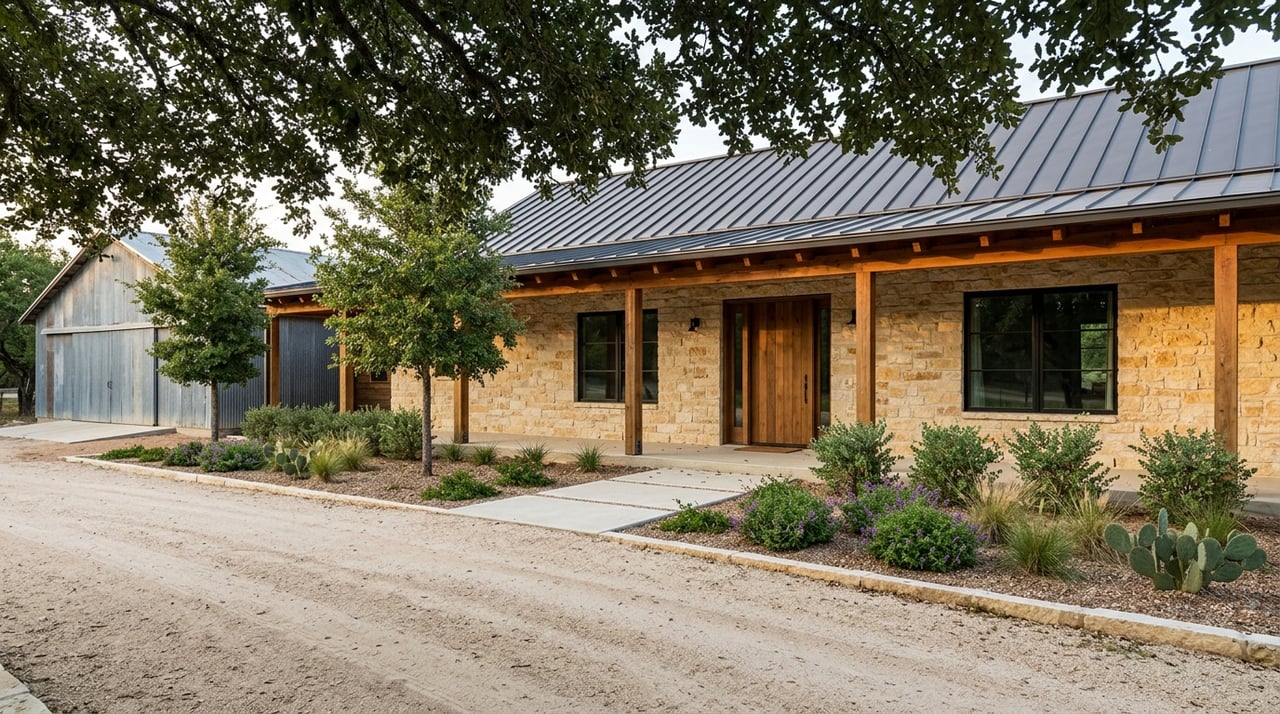
If you are selling a ranch in Mason County, acreage alone will not do the heavy lifting. Today’s buyers are looking past the headline number and asking sharper questions about access, water, improvements, use, and value. When you position your ranch with clear facts, strong presentation, and realistic pricing, you give buyers the confidence they need to act. Let’s dive in.
Why positioning matters in Mason County
Mason County is a small rural market, with an estimated population of about 3,990 in 2025 and roughly 4.3 people per square mile. That means your likely buyer is often coming from outside the county, not just from the immediate local area. In a market like this, your ranch has to make sense quickly to someone who may be seeing it first through photos, maps, and listing materials.
That digital first impression matters. Census estimates show 88.2% of households in Mason County have broadband, which supports a modern marketing approach, but it also raises the bar for presentation. Buyers expect clean information, strong visuals, and a clear story from the start.
Today’s buyers start with fundamentals
A ranch buyer may appreciate views, wildlife, or a great house, but the first filters are usually practical. If the basics feel unclear, interest can slow down fast, even when the property itself is appealing.
Access must be easy to understand
Buyers want to know exactly how they reach the property and whether that access is legally documented. In Mason County, the County Clerk maintains real property records, but the office notes that staff will not conduct unauthorized property searches for you. That makes it even more important to gather key access and title information before your ranch goes live.
If your property includes shared lanes, public road crossings, or long family ownership history, organize that story in advance. A buyer should be able to review the deed history, legal description, recorded easements, and any available survey or map without confusion. Clear access is not just a paperwork issue. It is a confidence issue.
Water carries major weight
In Texas ranch sales, water consistently drives attention and value. TRERC reports that access to water and infrastructure continues to shape rural land demand, and in Mason County, buyers are likely to look closely at wells, stock tanks, and related documents.
Because Hickory Underground Water Conservation District No. 1 covers all of Mason County, local well rules matter. The district requires a permit before drilling or substantially altering a non-exempt well, and permit applications call for deed information, a map or survey if available, well location details, pump information, and related support materials. If you already have these records organized, you make your ranch easier to evaluate.
Just as important, Mason CAD treats appurtenances like water wells, stock tanks, ditches, and roads as part of the land’s value. Even if they do not appear as separate appraisal line items, buyers still care very much about their condition and usefulness. If a well is productive, a tank holds water, or roads are dependable, that should be documented and presented clearly.
Improvements should show real function
A good ranch package does more than list structures. It shows what is usable right now and what may need work after closing. Buyers want to understand whether fencing, cross-fencing, barns, pens, sheds, utility service, and houses support the property’s intended use on day one.
This matters even more in a market where TRERC notes that well-located properties with stronger features, including fences and water, continue to attract strong interest. In other words, a ranch does not compete on acreage alone. It competes on readiness, clarity, and overall utility.
Match the property to the right buyer
One of the biggest mistakes sellers make is marketing a ranch too broadly. A better strategy is to define what the property is best suited for and speak directly to that buyer.
Lead with the most likely use case
Instead of describing the property only by size, position it by purpose. Depending on the ranch, that might mean presenting it as a working ranch, hunting retreat, conservation-minded holding, weekend getaway, or long-term land investment.
That approach fits the way the market behaves. TRERC’s tract-size update for Region 7 shows meaningful activity across smaller and mid-size tracts, with percentile tract sizes at 21, 49, 99, and 200 acres. That tells you buyer expectations can vary significantly by tract size, and your comps and marketing should reflect the ranch’s actual segment, not a vague average.
Recreation and habitat matter
In Mason County, recreation is not an afterthought. The groundwater district management plan describes the local economy as tied to agriculture, hunting, and tourism, which helps explain why wildlife habitat and recreational potential can strongly influence buyer interest.
If your ranch has native cover, hunting improvements, water sources that support wildlife, or a solid management history, build that story carefully. Texas Parks and Wildlife notes that wildlife management can qualify as an agricultural use if the land was previously qualified and is actively managed in at least three of seven recognized ways. A documented habitat story can help buyers understand both enjoyment value and management continuity.
Build a stronger pre-listing file
The smoother the information package, the easier it is for a serious buyer to move forward. In ranch sales, fewer surprises usually means better momentum.
Assemble the core documents
Before listing, gather the essential file for the property. A strong package often includes:
- Deed
- Survey or plat, if available
- Legal description
- Summary of access and easements
- Title-related documents
- Well logs and groundwater paperwork
- Inventory of improvements and utilities
This is especially useful in Mason County because county records, groundwater requirements, and practical buyer questions often overlap. If your documents are scattered, buyers may assume the property will be harder to close.
Consider a current survey
If your ranch does not have a recent survey, obtaining one before listing can reduce friction later. This is especially helpful when acreage, boundaries, easements, or shared access are important parts of the property story.
A current survey also helps your marketing stay precise. In a land market where tract size and usable features directly affect value, accuracy builds trust.
Price for today’s market, not yesterday’s peak
Pricing discipline remains one of the most important parts of positioning a Mason County ranch. TRERC’s first-quarter 2026 rural land report shows the Austin-Waco-Hill Country region up 8.27% year over year to $8,028 per acre, with 1,078 sales and a typical tract size of 201 acres. That points to a resilient market, but not one where every seller can command peak pricing.
TRERC also notes that friction often comes from sellers who are still anchored to 2022 and 2023 pricing expectations. Buyers are still active, but they are weighing rates, property quality, and operational realities more carefully. That means a cleanly documented and accurately priced ranch often has a better chance to gain traction than one that starts high and asks buyers to overlook uncertainty.
Use comps carefully
Not all ranches should be compared the same way. Acreage, access, water, improvements, and likely use all need to line up as closely as possible.
A smaller recreational tract and a larger working property may sit in the same county, but they do not necessarily appeal to the same buyer or support the same pricing logic. The more tightly your comparable sales reflect the ranch’s actual profile, the more credible your price position becomes.
Improve what buyers see first
Before a buyer studies records, they are responding to visible signals. A ranch that looks cared for tends to feel more trustworthy from the start.
Clean up visual distractions
TRERC’s research suggests that visible quality markers, such as tidy fence lines and reliable water features, help a property stand out. That means simple preparation can matter.
Focus on the details that shape first impressions:
- Repair or straighten damaged fence lines where practical
- Clean up the entry and gate area
- Mow or manage brush around key improvements
- Make roads and drives easy to follow
- Highlight ponds, tanks, wells, and useful infrastructure
- Remove clutter that distracts from the land itself
These steps do not change the ranch’s fundamentals, but they can make its strengths easier to understand.
Be accurate about ag and wildlife valuation
Tax status can be important to buyers, but it should be presented carefully and accurately. In Texas, the Comptroller states that agricultural appraisal requires land to be currently devoted principally to agricultural use, used to a degree of intensity generally accepted in the area, and devoted to agricultural or timber production for at least five of the last seven years.
Wildlife management can also qualify if the land was already qualified and is actively managed for wildlife. TPWD says applicants must include a wildlife management plan with the county appraisal district, and the agency’s role is advisory rather than approval. Mason CAD’s wildlife policy manual also states that the county’s minimum tract size for wildlife management is 20 acres and that annual wildlife reports are required by April 30.
Avoid overpromising
If your ranch has an ag or wildlife valuation, document it clearly. If a buyer is considering a change in use, that should be reviewed carefully as well, since the Comptroller notes that rollback tax can apply for the prior three years when land changes from agricultural to non-agricultural use.
The key is simple: treat tax status as a verified fact, not a marketing slogan. Buyers appreciate clarity, and it helps protect the transaction from late-stage confusion.
Market for out-of-area buyers
Because Mason County is so small, many serious prospects will come from beyond the county line. That changes how your ranch should be presented.
Answer the questions a local buyer already knows to ask
A local buyer may already understand what to look for in Hill Country land. An out-of-area buyer may not. Your marketing should bridge that gap with a polished, direct package that explains:
- How access works
- What water sources exist
- What improvements are on site
- What conveys with the sale
- What the land is best suited for
- What a new owner may need to maintain or improve
This is where thoughtful marketing earns its keep. When a buyer can understand the property without guesswork, they are more likely to schedule a tour, ask better questions, and move toward a decision.
Why expert guidance helps
The strongest ranch sales are usually supported by the right team. Depending on the property, that may include a ranch broker, title company, surveyor, land attorney, CPA or tax adviser, and when needed, a wildlife biologist or water professional.
That kind of support matters because ranch transactions are layered. Access, water, easements, valuation, and documentation all affect how buyers perceive risk and value. A well-positioned ranch tells a clear story from the first impression to the closing table.
When you are ready to position your Mason County ranch with the right strategy, documentation, and marketing, Fredericksburg Realty offers the Hill Country expertise and high-touch guidance to help you present it with confidence.
FAQs
What do Mason County ranch buyers look at first?
- Buyers often start with access, water, boundaries, easements, improvements, and overall pricing before they focus on lifestyle features.
Why is water so important for a ranch in Mason County?
- Water is a major value driver because buyers want to understand wells, tanks, infrastructure, and whether the property has the records needed to support those features.
Should you get a survey before listing a Mason County ranch?
- If you do not have a current survey, getting one before listing can help reduce confusion around acreage, boundaries, easements, and shared access.
How should you price a ranch in Mason County today?
- Pricing should reflect current regional land data, the ranch’s tract size, water, improvements, access, and likely use rather than peak pricing expectations from 2022 or 2023.
Can wildlife valuation help market a Mason County ranch?
- It can be a useful part of the property story if the land already qualifies, the management history is documented, and the current status is presented accurately through Mason CAD requirements.
Why do out-of-area buyers need more detail on a Mason County ranch listing?
- Many likely buyers are not local, so they rely more heavily on photos, maps, feature summaries, and clear explanations of access, water, improvements, and use.