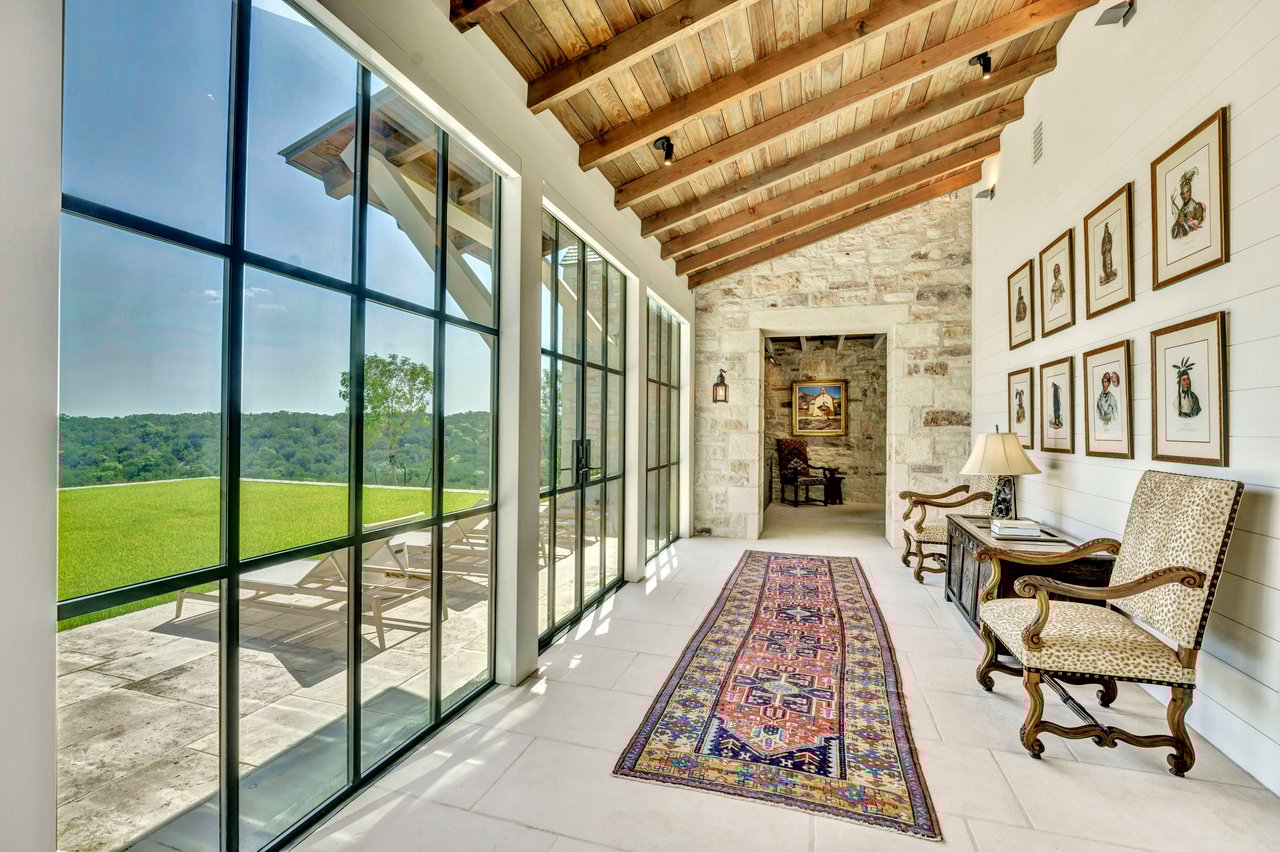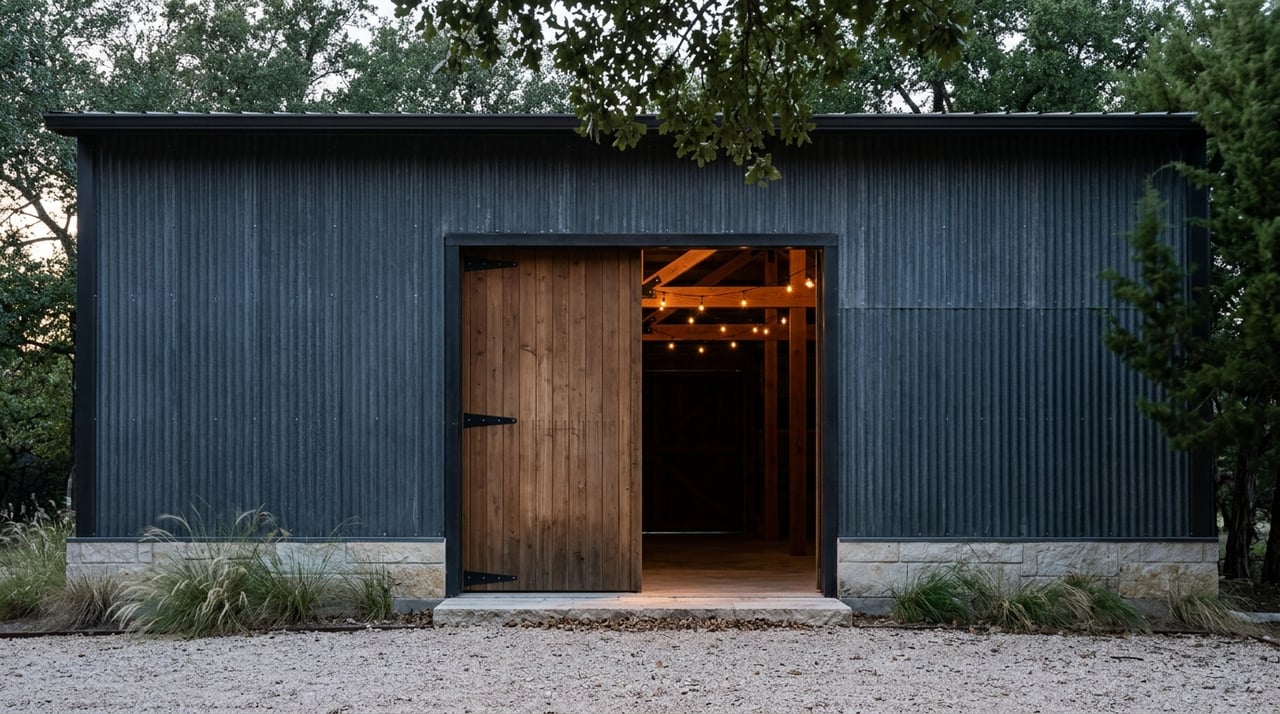
If your idea of a Hill Country getaway is less about a busy hospitality scene and more about porches, creek beds, open land, and star-filled skies, Doss deserves a close look. This part of Gillespie County offers a quieter version of the regional retreat story, where the setting often matters just as much as the structures on it. If you are wondering what it really takes to own a guest ranch or retreat here, this guide will walk you through the lifestyle, property patterns, and practical systems that matter most. Let’s dive in.
Why Doss fits retreat ownership
Doss is an unincorporated community in northwestern Gillespie County, about 19 miles northwest of Fredericksburg. Historically, it is known as a German ranching community, which helps shape the feel of the area today. When you look at Doss as a guest ranch or retreat setting, you are usually looking at a working-country backdrop rather than a town-center lodging concept.
That distinction matters. In Doss, the draw is often the land itself, including limestone hills, creek frontage, open ranchland, wildlife, quiet, and dark skies. For many buyers, that creates a strong opportunity to own a property where the experience begins the moment guests arrive.
Fredericksburg helps support that appeal. The nearby market is a major visitor destination in the Texas Hill Country, known for German heritage, wineries, outdoor recreation, and a full calendar of festivals and special events. For a Doss retreat owner, that means you can offer seclusion while still benefiting from the pull of a well-known regional destination.
What a Doss retreat often looks like
The Doss market does not point to just one property type. Instead, nearby lodging examples show a few common layouts that fit the area well. The right fit for you depends on whether you picture a private weekend rental, a small compound, or a group-focused retreat campus.
Small cabin compounds
One common model is a modest compound with two guesthouses or cabins supported by outdoor gathering space. In the local market, these properties often feature covered porches, patios, grills, fire pits, full kitchens, and a creek or scenic natural setting. This format works well if you want flexibility without taking on a very large operation.
These setups also match how many guests want to use Hill Country properties. They can host couples, small families, or a few friends traveling together, while still offering privacy and a strong sense of escape. In a place like Doss, simple amenities paired with a beautiful setting can carry a lot of value.
Lodge-plus-cabins campuses
Another model is a larger retreat layout with a central lodge and several smaller cabins. Nearby examples show how this can support group stays, shared meals, event-style gatherings, and multi-household trips. Some properties in the broader market also include gathering buildings, meeting space, pools, or dedicated outdoor common areas.
This format can make sense if you want to serve reunions, retreat groups, wedding-related stays, or larger family gatherings. It also usually means you need to think more carefully about infrastructure, guest flow, and daily operations from the start.
Rustic with modern comfort
In Doss, rustic does not mean bare-bones. Listings in the area commonly highlight full bathrooms, full kitchens, dining areas, fireplaces, air conditioning, Wi-Fi or streaming, and outdoor seating. Some properties also note accessibility features.
That is an important takeaway if you are shopping for a retreat property. Guests may come for the scenery and quiet, but they still expect practical comfort. The strongest properties usually blend a rural setting with easy, reliable everyday living.
Why the property is the destination
In many markets, lodging acts as a base camp for nearby attractions. In Doss, the property itself often plays the lead role. The most consistent themes in area marketing are peace, privacy, wildlife, porches, fire pits, open views, and stargazing.
That means ownership here is not only about sleeping capacity. It is also about how the land feels, how outdoor spaces are arranged, and how guests move through the property from morning coffee to evening under the stars. A retreat in Doss should feel intentional, even when it looks relaxed.
Outdoor living carries real weight
Covered porches, shaded seating, grills, and fire pits show up again and again in area lodging. These are not minor extras. In a rural retreat setting, they are part of the core guest experience.
If you are evaluating a property, pay attention to how outdoor areas are positioned. A porch with a long view, a fire pit with comfortable spacing, or a creek-side sitting area may do as much for guest appeal as an interior upgrade.
Dark skies are part of the experience
Fredericksburg’s dark-sky positioning and the region’s broader night-sky awareness add another layer of value. In practical terms, exterior lighting matters. Porch lighting, path lighting, and the angle of outdoor gathering areas can either support or weaken the stargazing experience.
For many guests, that sense of quiet at night is part of why they book a rural Hill Country stay in the first place. In Doss, preserving that feeling can be part of the property’s identity.
A normal day on a Doss guest ranch
If you are dreaming about ownership, it helps to picture the rhythm. A typical day at a Doss retreat property is often split between hospitality and stewardship. You may start with simple operational checks, then shift into preparing guest spaces, then circle back to land and system oversight.
The lifestyle tends to be hands-on, even when the guest-facing side looks effortless. Water, septic, outdoor upkeep, lighting, and gathering spaces all need attention. That is part of the appeal for some owners, especially those who value land care as much as guest experience.
Hospitality and stewardship go together
In Doss, you are not just managing rooms. You are caring for acreage, views, and the feel of the property. A well-run retreat here depends on both clean, comfortable accommodations and consistent attention to the land and infrastructure.
That can include maintaining outdoor use areas, monitoring private well performance, protecting the night-sky feel, and making sure core systems are dependable. The best retreat properties tend to feel calm to guests because owners have handled the practical details behind the scenes.
The systems to focus on first
If you are buying or planning a Doss retreat, a few operational items deserve early attention. These are not side issues in a rural hospitality property. They are central to how the property functions day to day.
Septic and county permitting
Because Doss is unincorporated, owners usually work through county and state offices rather than a city-style process. In Gillespie County, the OSSF department handles septic permitting. The county also requires a Development Permit Determination and Site Plan with Narrative before a septic application is complete.
That makes septic planning an early priority, especially if you are considering changes in occupancy, new structures, or expanded guest use. Before you assume a property can support your plans, it is wise to understand what is already in place and what additional permitting may be needed.
Water supply and testing
In rural retreat ownership, water is not something to treat as background. Texas water guidance makes clear that private well owners are responsible for regular water testing, and the state recommends using an accredited drinking-water laboratory. In practice, that means water reliability and monitoring should be part of your core ownership plan.
If a retreat depends on a private well, think beyond whether the faucet turns on during a showing. You want to understand ongoing responsibility, testing needs, and how water supply supports guest use over time.
Hotel occupancy tax
Short-term rental use can trigger tax responsibilities quickly. Texas applies state hotel occupancy tax to short-term rentals of 29 days or less. Gillespie County states that outside Fredericksburg and its ETJ, the combined rate is 13%, made up of 6% state tax and 7% county tax.
The county also notes that lodging operators and reservation services should provide contact information, and quarterly return forms still must be filed even when payment is made online. If your ownership plan includes guest stays, this is an area to understand early so your operation starts on solid footing.
Food service rules
Food service rules can shift based on the scale of the property and what you serve. Under Texas law, a bed-and-breakfast with seven or fewer rooms that serves only breakfast to overnight guests is not treated as a food service establishment. If it exceeds seven rooms or serves more than breakfast, food-service rules apply.
That can affect how you shape the guest experience. If your vision includes simple overnight stays, your path may look different than if you want to build a more service-heavy retreat model with broader meal offerings.
Who may use a Doss retreat property
The surrounding market shows that these properties appeal to more than one type of guest. Nearby listings point to couples, families, reunions, retreat groups, wedding-related stays, and other small-group gatherings. That variety can be helpful when you think about how a property may be used over time.
It also reinforces the value of flexibility. A property that works for a quiet two-person weekend and a larger family gathering may have broader long-term appeal than one built around a single use case.
What to look for when buying
If you are seriously considering ownership, keep your eye on both lifestyle fit and operational fit. A beautiful setting matters, but so do the systems that support real use.
Here are a few practical questions to ask as you evaluate a Doss property:
- How is the property laid out for private stays, shared stays, or group gatherings?
- What outdoor spaces create the strongest guest experience?
- What is the current septic setup, and how might it affect future use?
- Is the water source private, and what testing or maintenance history is available?
- If used for short-term stays, what tax and filing responsibilities will apply?
- Does the food service vision match the property’s likely regulatory path?
- How does the lighting setup support, or interrupt, the night-sky experience?
A strong Doss retreat usually works because the land, improvements, and operations all support the same story. When those pieces align, the result can feel both peaceful and purposeful.
Why local guidance matters
A guest ranch or retreat purchase in Doss is not only a lifestyle decision. It is also a land, systems, and use-case decision. The quiet beauty is easy to see, but the details behind a successful property often involve acreage layout, utility realities, guest positioning, and long-term stewardship.
That is where local market knowledge becomes valuable. Understanding how buyers use properties in this part of Gillespie County, how retreat-style assets are positioned, and what practical issues deserve extra attention can help you buy with more confidence.
Whether you are searching for a small cabin compound, a private Hill Country retreat, or a larger ranch property with guest potential, Fredericksburg Realty can help you explore Doss and the surrounding market with a stewardship-minded, locally informed approach.
FAQs
What makes Doss, Texas appealing for a guest ranch or retreat property?
- Doss offers a quiet rural setting shaped by ranchland, creek areas, limestone hills, wildlife, and dark skies, while still being within reach of Fredericksburg’s visitor demand.
What property types are common for retreat ownership in Doss?
- Common formats include small cabin compounds with outdoor gathering areas and larger lodge-plus-cabin setups designed for families, reunions, and retreat groups.
What amenities do guests expect at a Doss retreat property?
- Nearby properties commonly offer full kitchens, full bathrooms, air conditioning, fireplaces, Wi-Fi or streaming, covered porches, grills, fire pits, and comfortable outdoor seating.
What permits matter for a guest ranch property in Doss, Gillespie County?
- Because Doss is unincorporated, septic and related approvals are typically handled through Gillespie County and state offices, with the county OSSF process playing a key role.
What should owners know about water at a Doss retreat property?
- If a property uses a private well, the owner is responsible for regular water testing, which makes water reliability and monitoring a core part of rural retreat ownership.
What hotel occupancy tax applies to short-term rentals in Doss?
- For stays of 29 days or less outside Fredericksburg and its ETJ, Gillespie County states the combined hotel occupancy tax rate is 13%, including 6% state tax and 7% county tax.
How do food service rules affect a bed-and-breakfast in Doss, Texas?
- Under Texas law, a bed-and-breakfast with seven or fewer rooms that serves only breakfast to overnight guests is not treated as a food service establishment, but larger or broader meal service can change that.