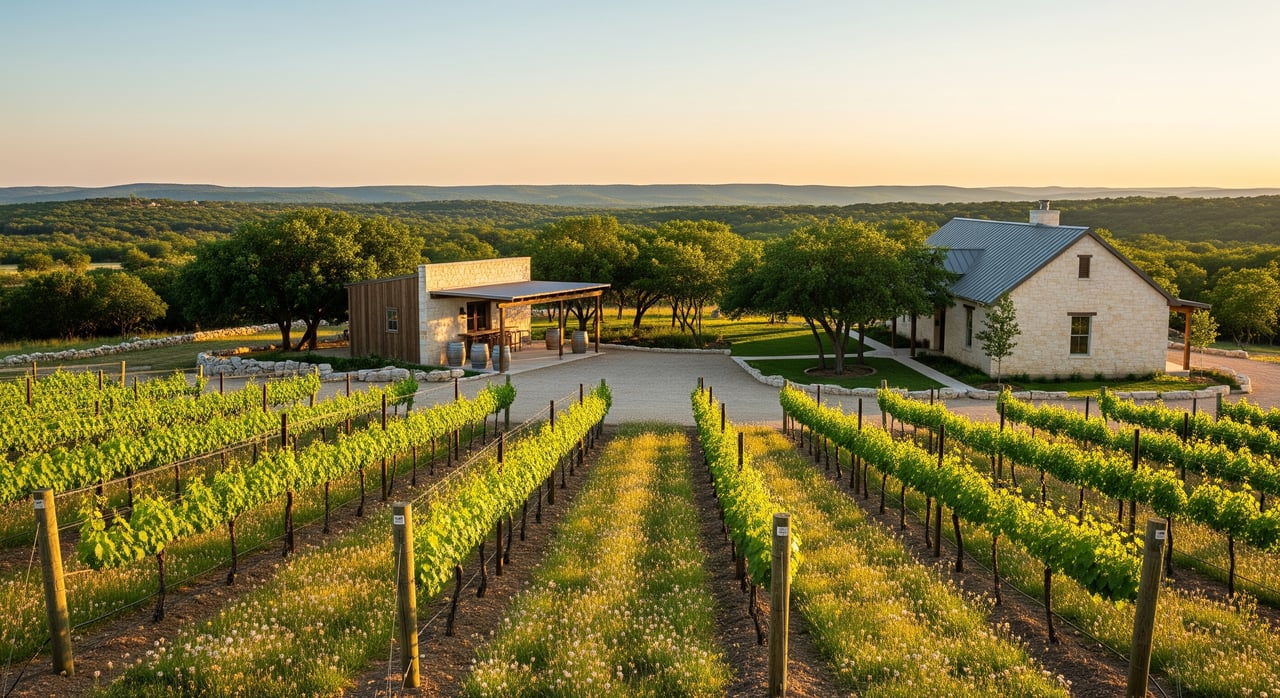
Dreaming of rows of grapevines on your Stonewall acreage? You’re not alone. The Texas Hill Country has the climate, culture, and community to make a small vineyard a rewarding project. In this guide, you’ll learn how to evaluate your specific parcel, choose varieties that fit Stonewall, plan costs and timelines, and understand basic rules. Let’s dive in.
Why Stonewall can work
Stonewall sits in the Texas Hill Country American Viticultural Area, a region known for warm summers, mild winters, and a growing wine scene. That regional identity helps, but every parcel is different. Small changes in slope, elevation, and soil can shift frost risk, water needs, and vine vigor. The key is matching your site’s microclimate and soil to the right plan.
Quick site check: vineyard-ready?
A short walk with a notepad can tell you a lot. Use this checklist to spot strengths and red flags.
Sun and aspect
- Aim for 6–8+ hours of direct sun.
- South or southwest slopes warm faster and may reduce frost risk.
- North slopes stay cooler and can suit later-ripening varieties.
Slope, frost, and cold-air drainage
- Avoid low pockets where cold air settles.
- Walk the site at dawn on cool mornings to spot frost-prone zones.
- Gentle slopes are ideal for airflow and equipment access.
Soil depth and drainage
- Many Hill Country soils are shallow, rocky, and calcareous. Vines like good drainage but need enough rooting depth.
- Order a professional soil test across each soil zone. Check depth to bedrock or caliche, texture, pH, organic matter, and infiltration.
Water source and irrigation
- Identify a reliable water source: well, municipal, or rainwater capture.
- Drip irrigation is standard for establishment and dry spells.
- Confirm well yield, pumping capacity, and power availability for pumps.
Wind and shelter
- Consistent strong wind can stress vines but may reduce disease.
- Consider windbreaks if exposure is extreme.
Access and infrastructure
- Ensure year-round vehicle access for installation and maintenance.
- Confirm power access for pumps and potential frost protection.
Wildlife pressure
- Deer and birds are common. Plan for perimeter fencing and crop protection.
Regulations and easements
- Review county zoning, subdivision covenants, and easements.
- If you plan agritourism or events, note parking, access, and permitting needs.
Try a small test block
- Plant a few rows across differing soil pockets to see real performance before you scale up.
Choosing grape varieties that fit Stonewall
Your best choices will balance heat tolerance, disease resistance, and your wine goals.
Warm-climate vinifera
- Tempranillo and Mourvèdre: Heat-tolerant reds suited to long summers.
- Grenache and Syrah: Viable in warm conditions with attentive canopy and water management.
- Viognier: A popular white that fits the region’s warmth.
- Certain clones of Cabernet Sauvignon can work with careful site and water planning.
Hybrids and other options
- Blanc du Bois and Chambourcin can reduce disease pressure and are friendly to hobby-scale management.
- Choose rootstocks for drought tolerance, nematode pressure, and soil depth.
Disease and pest expectations
- Fungal disease pressure centers on powdery mildew; downy mildew can show in humid stretches.
- Expect insect pests like leafhoppers and berry moths. Use integrated pest management.
- Deer and birds can cause major losses without protection.
- Monitor for Pierce’s disease; regional risk varies, so stay alert.
Water and irrigation planning
Hill Country rainfall swings from generous to sparse. Most hobby vineyards use drip irrigation for consistency, especially on shallow or rocky soils. New vines need frequent moisture during the first seasons. Design zones by soil type and variety so you can fine-tune water delivery.
Layout, planting, and timeline
A simple, proven layout keeps management smooth and quality high.
Row orientation and spacing
- North–south rows often deliver balanced sunlight.
- Common spacings: 6–9 feet between rows and 3–6 feet between vines, adjusted for vigor and trellis.
- Match trellis to variety and vigor: vertical shoot positioning, bilateral cordon, or simpler systems for low-input blocks.
Establishment timeline
- Year 0: Site prep, soil testing, clearing, drainage fixes, trellis and drip installation.
- Year 1: Plant and focus on root and trunk development.
- Year 2: Continue training; keep cropping minimal.
- Year 3: First meaningful harvest is possible. Many wait until Year 4 for more reliable yield and quality.
Costs: what to budget
Actual numbers vary with scale and materials. Use this list to scope bids and set expectations.
- Site prep: clearing, grading, soil amendments, drainage work
- Plant material and rootstocks
- Trellis: posts, wire, anchors, end assemblies
- Irrigation: drip lines, filters, valves, pumps, power
- Fencing and wildlife control
- Equipment: sprayer, tools; rent specialty gear as needed
- Labor: planting, pruning, canopy work, harvest
- Testing and consultant fees: soil, irrigation design, vineyard advice
- Winemaking equipment if you plan to process fruit
Tip: Get 2–3 local quotes for trellis and irrigation. Small vineyards can save by doing some work yourself, but budget for key professional inputs.
Risks and how to mitigate
Every site carries tradeoffs. Planning now protects your crop later.
- Frost: Favor slopes with air drainage, avoid low pockets, and choose varieties that align with your frost profile.
- Heat and drought: Drip irrigation, mulching, and canopy shading help vines withstand extremes.
- Severe storms: Hail and heavy rain occur occasionally; think about trellis strength and insurance.
- Disease: Open canopies, timely sprays, and variety choice reduce risk.
- Wildlife: Install fencing early and plan bird control near harvest.
Rules, taxes, and compliance
A little homework keeps your hobby fun and compliant.
- Agricultural appraisal: Gillespie County’s appraisal district can explain eligibility for vineyards and required acreage or practices.
- Making wine: Personal use is simpler. Selling wine or hosting tastings requires federal and state permits and label approvals. Check with the TTB and the Texas Alcoholic Beverage Commission for current rules.
- Selling grapes: You can sell to licensed wineries without holding winery permits, but business and tax obligations still apply.
- Agritourism and events: Confirm county rules for access, parking, and health and safety requirements.
- Water and wells: Consult local groundwater authorities on well drilling and pumping notifications or permits.
- Insurance: Ask insurers about vineyard and agritourism liability coverage.
Local next steps
- Order professional soil tests across each soil zone on your parcel.
- Talk with Texas A&M AgriLife Extension, USDA NRCS, and local industry groups for site-specific guidance and workshops.
- Visit nearby vineyards to learn what varieties and trellis systems are working in similar microclimates.
- Request 2–3 quotes from local vineyard contractors and nurseries for trellis and irrigation design.
- Plant a small trial block to confirm performance before expanding.
- Contact the Gillespie County appraisal district about agricultural appraisal questions.
- If you plan to sell grapes or wine, consult TTB and Texas state alcohol authorities early.
Work with a local land specialist
Choosing the right acreage, water access, and layout can make your vineyard a joy, not a headache. If you’re weighing a purchase in Stonewall or evaluating a parcel you already own, local insight matters. Our team combines deep Hill Country roots with land and ranch expertise to help you match site, purpose, and long-term value.
Ready to explore what’s possible on your Stonewall acreage? Reach out to the team at Fredericksburg Realty to discuss your goals and next steps.
FAQs
How many acres do I need for a hobby vineyard in Stonewall?
- Many hobbyists start with less than 1–2 acres; smaller blocks are manageable but won’t offer commercial-scale efficiencies.
How long until I harvest grapes after planting?
- Expect a limited crop in Year 3 and more reliable quality by Year 4, depending on management and variety.
Do I need irrigation for a Stonewall vineyard?
- Most sites benefit from drip irrigation, especially on shallow or rocky soils and during summer dry spells.
What grape varieties are good fits for Stonewall?
- Tempranillo, Mourvèdre, Grenache, Viognier, and selected Cabernet or Syrah clones, plus hybrids like Blanc du Bois and Chambourcin.
What are the biggest vineyard risks in the Hill Country?
- Frost in shoulder seasons, summer heat and drought, occasional severe storms, wildlife pressure, and fungal diseases like powdery mildew.
Can I make and sell wine from my property?
- Personal winemaking is simpler; selling wine or hosting tastings requires federal and state licensing and compliance. Selling grapes to licensed wineries is another option.