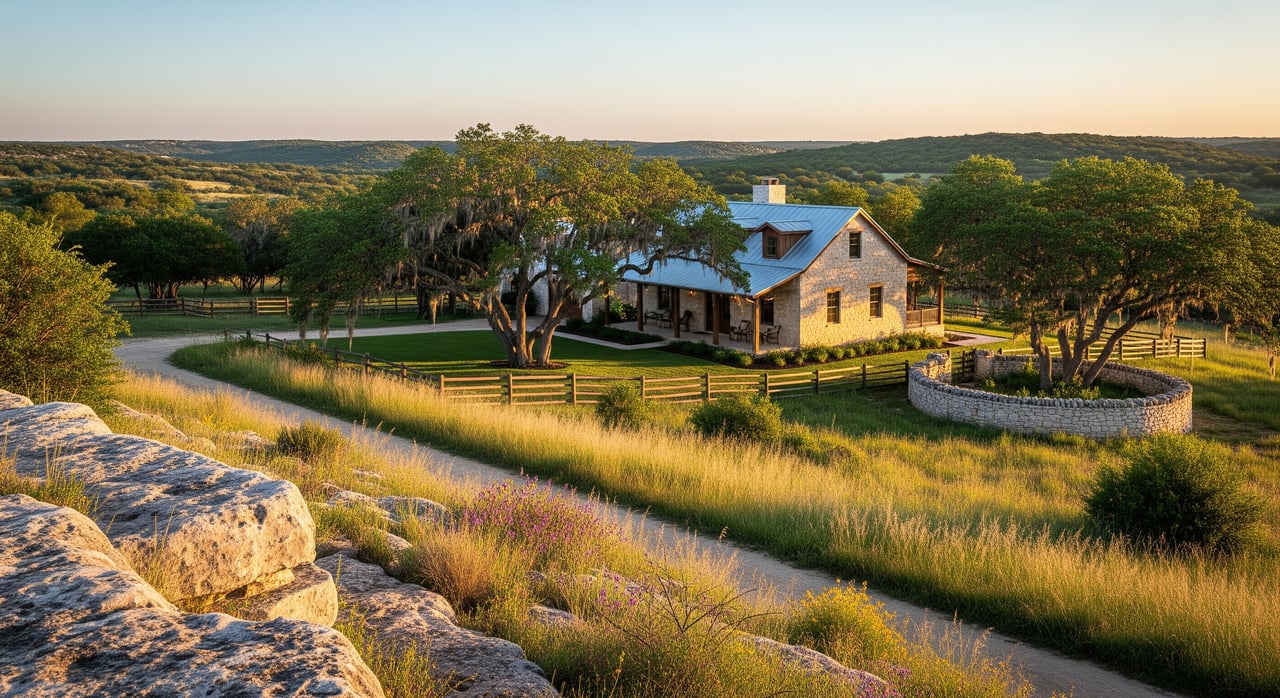
If you want to protect your Mason County ranch for the long haul while keeping it in your family’s hands, a conservation easement may fit your goals. You care about water, wildlife, and the open vistas that make this part of the Hill Country special. You also want clear, practical steps and straight talk about benefits, risks, and what it takes to get it done in Texas. In this guide, you will learn how conservation easements work, the Mason County process, potential financial paths, and the pitfalls to avoid. Let’s dive in.
What is a conservation easement
A conservation easement is a voluntary, legally binding agreement that limits certain uses or development of your land to protect specific conservation values. You still own the land and can sell or pass it on, but the easement “runs with the land,” which means it binds future owners. Easements in Texas are typically perpetual and are recorded in the county deed records.
Common purposes include protecting wildlife habitat, preserving open space and scenic views, safeguarding water resources and riparian corridors, maintaining working ranch and farm operations, and preserving historic features. The deed spells out what is allowed, what is restricted, and how the easement holder will monitor and enforce the terms.
How they work in Texas
To qualify for a federal charitable deduction, an easement must meet Internal Revenue Code section 170(h) standards. This includes being granted in perpetuity to a qualified organization and serving a recognized conservation purpose. If you plan to claim a deduction, you need a qualified appraisal, proper IRS forms, and a deed with required language. The IRS closely reviews larger deductions, so accuracy and professional guidance matter.
Texas does not have a general statewide income tax credit for donated easements. However, many properties with easements continue to qualify for agricultural or wildlife management appraisal. This can lower local property taxes if the land meets the program’s requirements. The Mason County Appraisal District is the authority on eligibility and valuation.
Your easement must be recorded in the Mason County deed records to be effective. The easement holder is usually a land trust or a government entity that is able and willing to enforce the terms for the long term.
Step-by-step process
1) Plan your goals
Start by listing what you want to protect and what you need to retain. Examples include riparian corridors, springs, and scenic views, along with ranch operations, water use, access, hunting, and timber or brush management. Decide whether you hope to donate the easement, sell it, or pursue a bargain sale. If you have a mortgage, contact your lender early. Lender consent is often required.
2) Due diligence and drafting
You and the easement holder will document the land’s current conditions in a baseline report. You will negotiate terms that cover restrictions, reserved rights, and any management requirements. A title report will help identify issues like rights-of-way or severed mineral interests. Mineral rights in Texas can be complex and may affect what is achievable.
3) Valuation and tax planning
If you expect a federal deduction, commission a qualified conservation appraiser to complete a before-and-after valuation. Work with a tax professional on documentation and reporting, including IRS Form 8283 where applicable. This phase often runs alongside legal drafting.
4) Closing and recording
Once terms and valuation are set, you execute the deed of conservation easement and record it with the Mason County Clerk. If there is a purchase component, you will complete a purchase agreement as well. Keep your baseline report and monitoring provisions on file for future reference.
5) Stewardship and monitoring
After closing, the easement holder will monitor the property on a regular schedule and maintain records. The deed outlines how monitoring works, how potential violations are handled, and under what narrow conditions amendments may be considered.
Financial pathways
- Donation. If your easement meets federal standards, the donation may qualify for a charitable income tax deduction. Some families also see estate planning benefits. Documentation requirements are significant, so coordination with your appraiser, attorney, and tax advisor is important.
- Sale or bargain sale. In some cases, a land trust or agency will purchase an easement at fair market value, or you may choose a bargain sale and potentially claim a deduction for the difference between sale price and appraised value.
- Federal programs. The USDA Natural Resources Conservation Service administers programs such as the Agricultural Conservation Easement Program. Funding, priorities, and eligibility vary by year and by resource focus. Contact the NRCS Texas office or your local USDA service center to learn about current opportunities.
- State and private funding. Texas Parks and Wildlife and private foundations occasionally support easement purchases or stewardship. Availability changes by cycle, so plan ahead and verify timing.
- Transaction costs. Budget for legal work, appraisal, baseline documentation, title updates, potential surveys, and sometimes a stewardship endowment to support long-term monitoring by the holder.
- Property tax assumptions. Do not assume an easement will reduce your property taxes. If the land continues to qualify under agricultural or wildlife management appraisal, your valuation may be lower, subject to Mason County Appraisal District determination.
- Market impacts. An easement generally reduces development value. At the same time, it can improve marketability for buyers who prioritize conservation outcomes and working-ranch characteristics.
Risks and tradeoffs
- Permanence. Easements are usually perpetual. Draft reserved rights that give you needed flexibility for future operations and family plans.
- Financing and title. Lender consent is often required. Poorly drafted or recorded easements can complicate future financing or title insurance.
- Mineral rights. Severed or active minerals can limit conservation outcomes. Address minerals early so everyone understands what is possible.
- IRS scrutiny. The IRS closely reviews substantial deductions. If the appraisal or documentation does not meet standards, deductions can be disallowed.
- Stewardship costs. Some holders expect a contribution to a stewardship fund. You may also have management obligations in the deed.
- Clarity and interpretation. Ambiguity in terms can lead to conflict later. Clear definitions and examples in the deed reduce risk.
Local first calls
- Mason County Appraisal District. Discuss agricultural or wildlife appraisal and how an easement might affect valuation for your land.
- Mason County Clerk. Confirm recording requirements and fees for conservation easements and related documents.
- USDA NRCS local office. Ask about current easement funding programs and priorities in your part of Mason County.
- Land trust outreach. Contact statewide or regional land trusts that work in the Hill Country to confirm geographic priorities and project fit.
- Your advisory team. Engage a Texas real estate attorney experienced with conservation easements, a qualified conservation appraiser, a CPA or tax attorney, and a title company familiar with local practice.
Drafting choices to discuss
- Reserved rights. Grazing, farming, water infrastructure, brush control, fire management, and routine ranch operations.
- Building and subdivision. Location, number, and size of future homes or barns, roads and fence guidelines, and subdivision limits.
- Public access. Many easements do not require public access, but be explicit either way.
- Water and habitat. Riparian buffers, spring or karst protections, and wildlife management practices.
- Minerals. Acknowledgment of mineral ownership, surface use standards where possible, and coordination language.
- Amendments and enforcement. Clear procedures for monitoring, notice, cure periods, and any amendment standards.
Common Mason County goals
- Protecting Llano River and tributary corridors, springs, and seeps.
- Preserving scenic vistas and the rural character of working ranchlands.
- Maintaining habitat for native wildlife and plant communities.
- Sustaining viable cattle or sheep operations with practical infrastructure.
Is a conservation easement right for you
A conservation easement can secure your land’s character, protect water and habitat, and support long-term ranch operations. It can also open doors to federal tax benefits or funding. The tradeoff is permanence, paperwork, and the need for a strong partner that will steward the easement for generations. If you value legacy and place, the tool can be powerful when crafted with care.
If you want seasoned guidance on how an easement might affect your property’s marketability, valuation, or long-term exit options, our ranch-focused team can help you think through scenarios and prepare for conversations with your legal and tax advisors. Connect with the Hill Country experts at Fredericksburg Realty when you are ready to discuss your goals and next steps.
FAQs
Will I lose ownership if I grant a conservation easement
- No. You retain title and all uses not restricted by the deed. The easement limits specified rights and runs with the land.
Can I keep grazing or other ranch operations under an easement
- Usually yes. Many easements are designed to preserve working ranches, but your retained rights must be clearly stated in the deed.
Can I sell my Mason County property after placing an easement on it
- Yes. You can sell or transfer the property, and the buyer takes title subject to the recorded easement.
How could a conservation easement affect my property taxes in Mason County
- It may not change taxes automatically. If the land continues to qualify for agricultural or wildlife appraisal, valuation can be lower, subject to appraisal district rules.
What if I have a mortgage on the land when I donate or sell an easement
- Lender consent is often required. Contact your lender early to avoid delays and to secure any needed subordination agreements.
Are there programs that pay for conservation easements in Mason County
- Yes. Federal programs and some state or private funding may purchase easements. Availability, priorities, and eligibility vary over time.
How long does the conservation easement process usually take in Texas
- Several months to more than a year, depending on funding, appraisal timing, negotiations, and title complexities.
Can the easement be changed after it is recorded on my ranch
- Changes are very limited. Most deeds restrict amendments and may require strict conservation standards or judicial oversight.