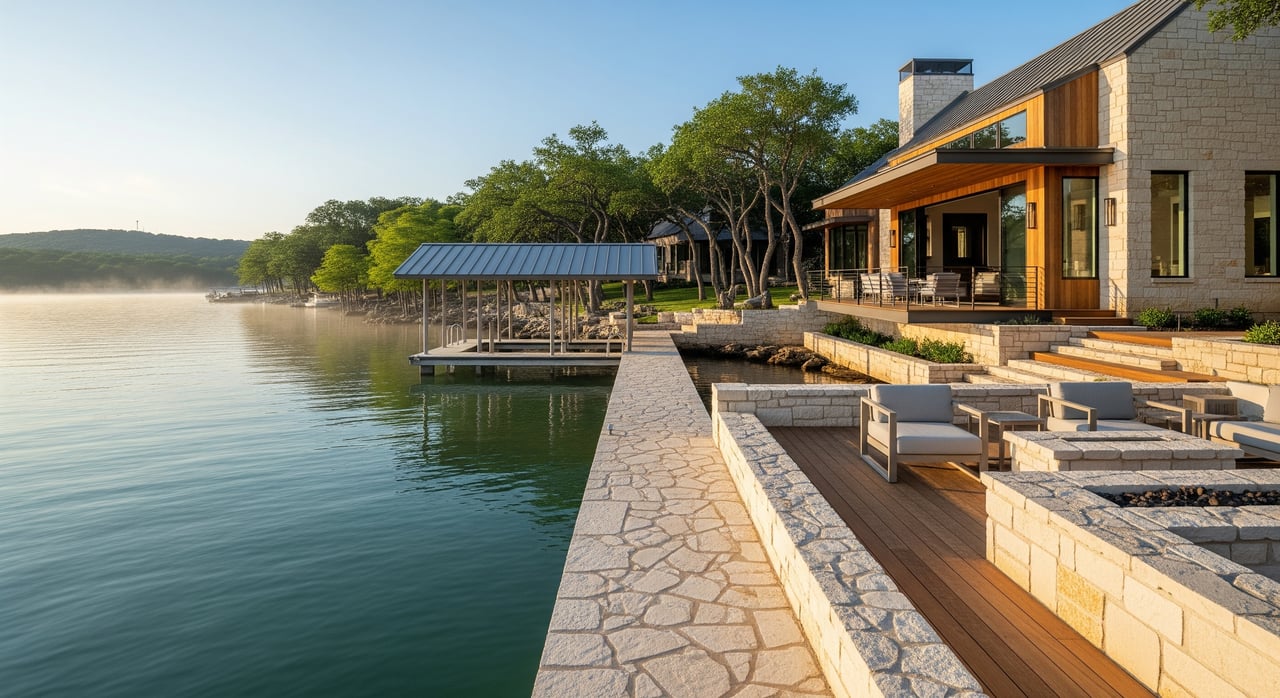
Picture yourself stepping onto your dock as the sun comes up over Lake LBJ. If you are considering Kingsland for a full-time home or a weekend retreat, you are in good company. Waterfront living can be a smart long-term move, but it comes with details you should understand before you buy. This guide walks you through permits, shoreline rights, inspections, flood and insurance questions, costs, and lifestyle fit specific to Kingsland and Llano County. Let’s dive in.
Why Lake LBJ and Kingsland
Lake LBJ is part of the Highland Lakes, managed by the Lower Colorado River Authority. Many buyers like that LBJ is commonly described as a constant-level lake compared with other reservoirs. Water levels and flows still change with LCRA operations and drought, so it is wise to review current conditions and history on the LCRA website.
Kingsland offers a relaxed lakeside lifestyle with boating, fishing, swimming, and watersports. You will find a mix of year-round residents and second-home owners across standalone waterfront lots and planned communities. Peak lake activity happens in warmer months and on holiday weekends, so plan your visit at different times to get a feel for rhythm and noise.
Shoreline rights and permits
Waterfront property involves multiple layers of oversight. Rules and approvals vary by location, type of improvement, and history of the structure. A careful review up front can save you time and money later.
LCRA rules at a glance
LCRA regulates many structures on or over the reservoir bed, such as docks, boat houses, and retaining features. Some properties have existing LCRA leases or authorizations, and older structures may be grandfathered but still documented. Before you buy, request the property’s LCRA file and verify whether existing shoreline structures have current permits, leases, or approvals. You can learn more and get contacts through the LCRA site.
Key checkpoints:
- Confirm that any dock, lift, or boathouse is permitted or authorized by LCRA.
- Review size, location, and materials rules for replacements or upgrades.
- Ask whether permits or leases transfer at closing and note expiration dates.
Local permits and septic systems
Inside city limits or in unincorporated areas, local permitting can differ. In Llano County, confirm setbacks, floodplain requirements, and septic approvals with the county. Many lake homes use septic or aerobic systems. Plan for a certified inspection, maintenance record review, and any needed updates. Start with the Llano County official site for permitting contacts and procedures.
Also be aware that state and federal rules can apply to shoreline work, including environmental protections and water quality requirements. For complex questions about submerged land ownership or riparian rights, it is wise to engage a title attorney along with your title company.
Short-term rentals
Short-term rental rules are set by local ordinances and by HOA or POA covenants. Some communities allow STRs, others restrict them or require registration and occupancy tax collection. Before you rely on rental income, confirm STR rules with Llano County and any HOA/POA, and budget for required taxes and compliance steps.
Buyer due diligence checklist
Use this checklist as a roadmap during your option period and inspections.
Documents and title
- Title search for easements, restrictions, and any LCRA leases tied to docks or shoreline structures.
- Up-to-date boundary survey showing shoreline, improvements, and setbacks. Note any encroachments.
- Deed restrictions and HOA/POA rules, including dock standards, rental rules, and assessment history.
Inspections and physical checks
- House systems: roof, foundation, HVAC, electrical, plumbing, and a wood-destroying insect inspection.
- Dock, pier, and boathouse: structural condition, pilings, anchors, fasteners, and safety features. Consider a marine contractor evaluation.
- Seawall, riprap, and shoreline stability: signs of erosion and anticipated maintenance.
- Septic system: certified inspection, permit history, and maintenance records.
- Water supply: well testing for flow and quality, or confirmation of public water service.
- Moisture and mold: humidity can be higher near water, so check for ventilation and dehumidification.
Flood risk and elevation
- Review FEMA flood maps and determine if the home is in a Special Flood Hazard Area. Use the FEMA Flood Map Service Center to locate the property and request an elevation certificate if one exists.
- Ask for any prior flood or storm claims and evaluate drainage around the home.
Environmental, regulatory, and records
- Obtain LCRA records for existing docks or shoreline work and confirm transferability.
- Check for recent water quality or aquatic vegetation advisories from LCRA or state agencies.
- Confirm any planned shoreline work is permitted before you begin.
Utilities, access, and services
- Confirm water, sewer or septic, electric, internet options, and trash service.
- Verify road access and any private road maintenance agreements.
- Review proximity to groceries, medical services, and emergency response for your specific address.
Financing and insurance
Most conventional, FHA, and VA loan programs can finance waterfront homes. Lenders will look closely at flood zones, shoreline improvements, and marketability. If the home sits in a mapped flood zone, a lender will likely require flood insurance and an elevation certificate. An appraiser with waterfront experience can better account for view, water depth at the dock, and usable shoreline.
Insurance is a major budget item to price early. Even outside mapped flood zones, many buyers choose flood coverage due to localized risk. Standard homeowners policies vary on wind and water-related coverage, and docks or lifts may need endorsements or separate policies. Request quotes early in escrow so you know premiums and coverage terms before you clear contingencies.
Ownership costs beyond price
Waterfront homes can have higher ongoing expenses than non-waterfront properties. Common items include:
- Property taxes: review the Llano County Appraisal District records for current values and exemptions. Ask the seller for recent tax bills to understand trends.
- Shoreline and dock upkeep: budget for periodic repairs, staining, hardware replacement, and potential riprap or seawall work.
- Landscaping and erosion control: shoreline stabilization and vegetation management are recurring tasks.
- Utilities and services: confirm septic maintenance schedules, water billing, and any HOA or POA assessments.
- STR compliance (if applicable): registration, inspections, and occupancy tax collection where required.
Lifestyle and access tips
A great Kingsland waterfront fit depends on how you plan to use the lake and your privacy needs. Here are a few practical checks:
- Water depth at your dock: shoaling can affect boating. Walk the shoreline and ask about typical depths during dry periods.
- Activity level: holiday weekends bring more boat traffic and noise. Visit at different times to gauge sound and wake.
- Boat ramps and marinas: confirm the nearest public or community ramp and whether slip rentals are available if you need them.
- Neighborhood feel: some areas are social and amenity-rich, others are more private. Decide what suits your lifestyle.
Next steps in Kingsland
Getting from dream to dock is straightforward when you follow a clear plan:
- Review lake operations and permitting guidance on the LCRA website, then request the property’s shoreline permit file.
- Contact the county to confirm permit and septic requirements through the Llano County site.
- Order a current survey and schedule specialized inspections for the dock, shoreline, and septic system.
- Pull FEMA maps through the FEMA Map Service Center and request an elevation certificate if available.
- Get insurance quotes and speak with a lender that understands waterfront nuances.
- Partner with a Hill Country brokerage that is comfortable with waterfront, land, and regulatory details so you close with confidence.
If you are ready to explore Kingsland waterfront or want a second opinion on a property, reach out to the local team at Fredericksburg Realty. You will get a calm, thorough process that respects your goals and helps you buy with clarity.
FAQs
Who owns the shoreline or lakebed on Lake LBJ near Kingsland?
- Ownership and rights depend on title history and state or LCRA interests. Have your title company and a title attorney review submerged land and riparian rights, and request the LCRA file for any existing structures.
Can I build or enlarge a dock or boathouse on Lake LBJ?
- Most installations on or over the reservoir bed require LCRA authorization and may need local permits. Confirm size and location rules and whether permits or leases transfer upon sale.
Do I need flood insurance for a Kingsland waterfront home?
- Your lender will require it if the home is in a Special Flood Hazard Area. Many owners buy flood insurance even outside mapped zones due to localized risk. Check maps on the FEMA site and request an elevation certificate.
Are septic systems common on Kingsland waterfront properties?
- Yes. Many homes use septic or aerobic systems. Get a certified inspection, verify permits and maintenance records, and budget for regular service.
What hidden costs should I expect with waterfront ownership?
- Plan for property taxes, dock and shoreline maintenance, potential riprap or seawall work, insurance premiums, septic service, utilities, and any HOA or POA assessments.
Can I operate a short-term rental of my Lake LBJ home in Kingsland?
- It depends on local rules and HOA covenants. Confirm county requirements, any registration or inspection needs, and occupancy tax collection before projecting rental income.